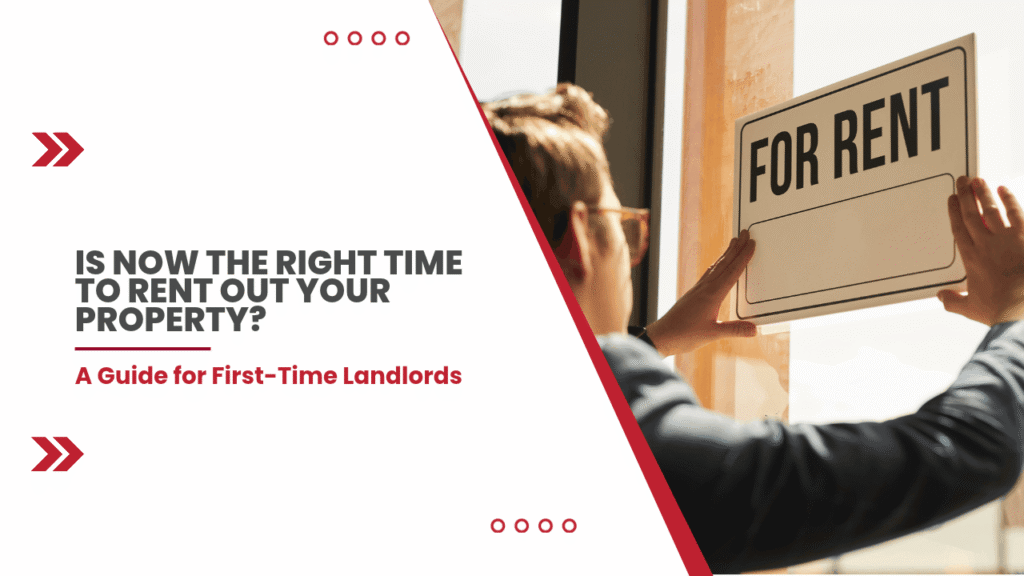
Why should you rent out your property now?
Perhaps you’ve accepted a job in another city, inherited a second property, or simply want to generate additional income after you move by holding onto a home that may appreciate in value.
For many homeowners, renting out their property can be a smart financial move. However, becoming a landlord involves a shift in how you see that property and your role as a homeowner. From understanding market conditions to preparing your property, screening tenants, and staying compliant with local laws, there are several factors to consider before you make this decision.
Our Overview:
|
Why Are More Homeowners Choosing to Rent Instead of Sell?
The housing market has experienced significant changes recently. We’ve talked to homeowners who are hesitant to sell due to fluctuating market conditions or higher mortgage rates, and many are discovering that renting offers flexibility and long-term financial benefits.
Renting out your home allows you to:
- Generate a steady stream of monthly income
- Build long-term wealth through property appreciation
- Retain ownership of a valuable asset
- Offset mortgage payments and property expenses
- Keep the option of moving back into the home later
When your local rental market is strong and demand is high, your property could become an income-producing investment while continuing to increase in value over time.
Is Your Property a Good Rental Candidate?
Not every home is equally suited for the rental market. Before listing your property, consider whether it will appeal to prospective tenants.
- Is the property located near schools, employment centers, shopping, or public transportation?
- Is it in good condition with minimal maintenance needs?
- Does it offer features renters are looking for, such as parking, outdoor space, or updated appliances?
- Is there consistent demand for rentals in the neighborhood?
Research similar rental properties in your area to estimate realistic rental income. Understanding the local market will help you determine whether renting will cover your expenses and provide a reasonable return.
Understanding the Financial Picture
One of the biggest mistakes first-time landlords make is assuming that rental income equals profit. In reality, owning a rental property comes with ongoing expenses that should be factored into your decision.
Common costs include:
- Mortgage payments
- Property taxes
- Homeowners insurance
- Landlord insurance
- Maintenance and repairs
- Property management fees (if applicable)
- Vacancy periods between tenants
- Utilities (if included)
- HOA fees
- Marketing and advertising
Create a detailed budget that compares your expected rental income against your monthly expenses. It’s also wise to maintain an emergency fund for unexpected repairs such as plumbing issues, roof damage, or appliance replacement.
A rental property can provide positive cash flow, but careful financial planning is essential.
Know Your Responsibilities as a Landlord
Owning a rental property means taking on legal responsibilities. California laws are detailed and strict. You’ll need to familiarize yourself with fair housing rules, eviction procedures, rent control guidelines, and habitability standards. There are specific ways to screen tenants and return security deposits.
Landlord-tenant laws are strict. Staying informed is important, and working with a property management expert is even more important when it comes to risk management and avoiding liability.
Preparing Your Home for Rent
A well-prepared home attracts better tenants and can command higher rental rates. Before listing your property:
- Complete Necessary Repairs
Fix any outstanding maintenance issues, including:
- Leaking faucets
- Damaged flooring
- Broken fixtures
- Faulty electrical outlets
- HVAC problems
- Cosmetic damage
Addressing these issues upfront creates a positive first impression and reduces emergency maintenance calls later.
- Deep Clean the Property
Professional cleaning is often worth the investment. Clean carpets, windows, appliances, bathrooms, and kitchens thoroughly before showing the home.
- Improve Curb Appeal
Simple improvements can make a significant difference:
- Fresh landscaping
- Pressure washing
- New mulch
- Fresh paint on the front door
- Updated exterior lighting
A welcoming exterior encourages prospective tenants to view the property.
- Consider Small Upgrades
You don’t necessarily need a full renovation. Cost-effective updates like fresh paint, modern light fixtures, new cabinet hardware, or energy-efficient appliances can increase rental appeal.
Setting the Right Rental Price
Pricing your rental correctly is crucial.
If the rent is too high, your property may sit vacant for longer than expected. If it’s too low, you could lose valuable income each month.
When determining rent, we consider:
- Comparable rental listings
- Property size
- Neighborhood demand
- Amenities
- Recent upgrades
Many landlords monitor comparable listings regularly to remain competitive while maximizing income. Talk to us and we’ll provide reliable, real-time data that results in an accurate, competitive, and profitable rental price.
Should You Hire a Property Manager?
Yes. Especially if you’ve never done this before.
A property management company handles:
- Marketing vacancies
- Tenant screening
- Lease preparation
- Rent collection
- Maintenance coordination
- Inspections
- Legal compliance
- Tenant communication
Talk to us and we’ll discuss how our management services make renting out your home less stressful and more profitable.
Tax Considerations
Rental property ownership can have important tax implications.
Depending on your circumstances, you may be able to deduct certain expenses, including:
- Mortgage interest
- Property taxes
- Repairs
- Insurance premiums
- Property management fees
- Advertising costs
- Professional services
- Depreciation
Because tax rules vary and can be complex, consulting with a qualified tax professional can help you maximize available deductions while remaining compliant.
Risks Every First-Time Landlord Should Consider
While rental property ownership has many advantages, it’s important to recognize the potential challenges, which may include:
- Vacancies. Even in strong rental markets, there may be periods when your property is unoccupied.
- Unexpected Repairs. Major repairs can arise unexpectedly and significantly affect profitability.
- Difficult Tenants. Late rent payments, lease violations, or property damage can create financial and legal challenges.
- Market Changes. Rental demand and property values can fluctuate over time based on economic conditions and local trends.
Being financially prepared for these situations helps reduce stress and protects your investment.
Signs That Now May Be the Right Time to Rent Out Your Property
You may be ready to become a landlord if:
- You plan to move but want to keep your home.
- Local rental demand is strong.
- Rental income is likely to contribute meaningfully to your expenses.
- You have savings available for repairs and vacancies.
- You understand the value of professional property management.
- You’re interested in building long-term wealth through real estate.
When Might Selling Be the Better Option?
Renting isn’t the right choice for everyone. Selling may make more sense if:
- You need immediate access to your home’s equity.
- The property requires extensive repairs.
- Local rental demand is weak.
- You don’t want the responsibilities of being a landlord.
- Managing the property would create unnecessary financial or personal stress.
Evaluating both options carefully can help you make the best long-term financial decision.
Frequently Asked Questions

Q: Is renting out my home better than selling it?
A: It depends on your financial goals, local market conditions, and personal circumstances. Renting may provide long-term income and appreciation, while selling offers immediate access to your home’s equity.
Q: How much should I charge for rent?
A: That will depend largely on market conditions, competition, and the location and condition of your home.
Q: Do I need landlord insurance?
A: Yes. Standard homeowners insurance may not provide adequate coverage once the property is rented. Landlord insurance can offer additional protection for property damage, liability, and rental-related risks.
Q: How do I find good tenants?
A: Use a thorough screening process that includes rental applications, employment and income verification, credit and background checks, and references from previous landlords.
Q: What expenses should I budget for?
A: In addition to your mortgage, budget for property taxes, insurance, maintenance, repairs, vacancies, utilities (if applicable), HOA fees, property management costs, and marketing expenses.
Q: Can I rent out my home if I still have a mortgage?
A: Often, yes. However, review your mortgage agreement and consult your lender if necessary to ensure there are no occupancy restrictions or other requirements before converting your home into a rental property.
Renting out your home can be an excellent way to generate passive income, preserve a valuable asset, and build long-term wealth. However, success as a landlord depends on careful planning, realistic financial expectations, and a willingness to take on the responsibilities of property ownership.
Before making your decision, research your local rental market, estimate your potential cash flow, understand your legal obligations, and determine whether you are prepared to be a landlord, even with the support of a professional property management company.
With the right preparation, your first rental property can become a rewarding investment that supports your financial goals for years to come. We can talk more about your specific situation. Please contact us at Redwood Residential. We manage rental homes in Santa Rosa and throughout Sonoma County.




 Graduate of Empire Business School, Santa Rosa in 1998 with an AA degree in Office Administration. Lorena has over 30 years of experience in office administration. From the California State Legislature to North Bay Realtors Association and most recently with Sue Carrell & Associates.