
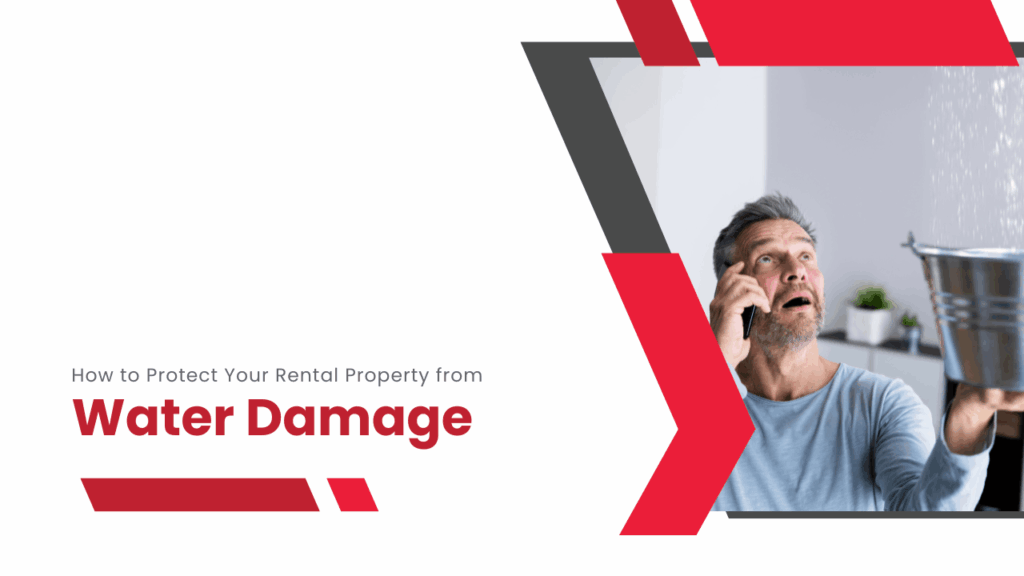
Are you prepared to prevent water damage in your rental property?
Sonoma County has some of the most enviable weather in the country. It’s sunny. It’s warm but not hot.
It’s cool but not cold. There’s enough rain, especially in the winters, but not so much that we’re often worried about floods.
But even with these favorable climate conditions, things have grown unpredictable. Strong, sudden rains could damage a roof. Or, there could be a leak inside the property or pipes preparing to burst, causing water damage that could lead to mold and expensive repairs.
Let’s avoid all that. Here’s how to protect your rental property from water damage.
Quick Overview:
|
Understanding the Common Causes of Water Damage
To effectively protect your property from the greatest water damage risks, you have to know where you’re most vulnerable. There are three common ways that water can damage your investment.
- Internal Plumbing Failures
Water damage inside the home typically comes from plumbing issues. These may include burst or leaking pipes, faulty water heaters, leaky dishwashers or washing machines, backed-up sinks or clogged drains and even overflowing toilets.
In older California homes, aging plumbing infrastructure is a particular concern. Corroded pipes or outdated fittings can fail unexpectedly, particularly during temperature changes.
- Roof Leaks and Attic Issues
Many property owners overlook the importance of the roof, especially in dry seasons. However, the rainy winter months in Northern California can expose vulnerabilities in roofing materials, flashing, or gutters. A small roof leak can drip into insulation, walls, or ceilings and remain hidden until major damage has occurred.
- Flooding and Storm Runoff
Though our region does not experience the kind of frequent flooding seen in other parts of the country, the area is not immune. The winter storms of recent years have caused flash flooding and overwhelmed drainage systems, especially in lower-lying areas near creeks or poor-draining streets. Landlords whose properties sit in or near a FEMA-designated floodplain need to be especially cautious.
Conduct Regular Inspections
Routine inspections are a rental property owner’s first line of defense against water damage. Prevention begins with identifying small issues before they become major problems. Look for:
- Pipes and plumbing. Check under sinks and around toilets for signs of leaks or corrosion.
- Appliances. Inspect washers, water heaters, and dishwashers annually for signs of wear or moisture buildup.
- Walls and ceilings. Look for bubbling paint, discolored patches, or mildew odors that suggest hidden moisture.
- Attics and crawl spaces. Ensure ventilation is adequate and there are no signs of roof leaks or mold growth.
- Exterior drainage. Make sure water is flowing away from the property, not pooling near the foundation.
It’s smart to schedule professional plumbing and roof inspections every few years, especially if your rental property is more than 15 years old.
Install Water Detection Devices
Smart home technology isn’t just for tenant convenience. It can also serve as a critical early warning system. Consider installing some of the new technology that’s designed to protect your investment and automate your repairs. There are water leak sensors that can be installed under sinks and behind appliances. When a leak is detected, it helps to have smart water shutoff valves that automatically stop the flow of water. In basements or crawl spaces, sump pump monitors can be useful. We have also seen humidity monitors that can be helpful in sending alerts when the home’s levels are high enough to allow for mold to develop.
These devices are relatively inexpensive, easy to install, and can notify both you and your tenant when there’s a problem.
Maintain Plumbing and HVAC Systems
Plumbing systems are one of the most common internal sources of water damage. Older properties may still have galvanized steel pipes, which corrode over time and become prone to leaking or bursting. The tips we can provide for preventative maintenance as professional property management experts include:
- Replace old pipes with modern materials like PEX or copper.
- Install stainless steel braided hoses for appliances. These are more durable and resistant to bursting.
- Flush water heaters annually to remove sediment buildup.
- Insulate pipes, especially those in unheated areas, to prevent freezing and bursting during rare cold snaps.
- Have HVAC units serviced annually to ensure condensation lines aren’t clogged and that no leaks are present.
Encourage tenants to report any leaks or signs of dampness immediately. Early detection can save thousands in repair costs.
Prepare for Flood Risk
Although we are not typically considered a high-risk flood zone, recent years have brought stronger storms and changing weather patterns. Certain neighborhoods, especially near low-lying areas and creek beds, may still face flood risk.
Owners can reduce their risk of flooding with improved grading and drainage. Think about sump pumps, especially if you have a basement or a level in the property that’s below-grade. Use flood barriers or sandbags, especially during heavy storms. These temporary barriers can help protect against rising water. Finally, place electrical panels, furnaces, and appliances above potential flood levels.
You can check the FEMA flood maps for your neighborhood, or work with us to consult with a local civil engineer to assess your property’s risk and prepare accordingly.
Carry the Right Insurance
You might assume your standard property insurance covers water damage, but that’s not always the case. There are several nuances in water damage coverage, and understanding your policy is an important part of protecting your property and your own financial security.
Our insurance tips include:
- Evaluate Your Standard Landlord Policies. Typically these policies cover sudden and accidental water damage (like burst pipes) but not gradual damage like a slow leak over months).
- Flood Insurance. Separate coverage is required for flood damage. Even if you’re not in a high-risk flood zone, purchasing this policy through the National Flood Insurance Program (NFIP) can be a smart investment.
- Sublimits. Be aware of coverage limits on water damage claims. Some policies cap water damage payouts, particularly for mold remediation or sewer backups.
- Sewer and Drain Backup Coverage. This is often an optional rider, but highly recommended, especially for older properties.
- Vacancy Clauses. If your rental is unoccupied for more than 30–60 days, water damage claims may be denied unless you have a vacancy endorsement.
Work with an insurance agent who understands the local rental market and can explain the fine print of your policy in detail.
Educate Your Tenants
Tenants are your partners in preventing and minimizing water damage. Good communication, along with clear expectations in the lease, help tenants know how and when to report water-related issues.
Ask tenants to notify you immediately about any signs of leaks, drips, or water stains. Provide written instructions on what to do if there’s a plumbing emergency.
Encourage tenants to practice healthy plumbing behaviors. For example, ask them not to flush inappropriate items down toilets or pour grease down kitchen drains. Ensure they know how to shut off the water in case of an emergency (or at least know to call you immediately).
Respond Quickly to Issues
Even with all the best preventative steps in place, accidents and natural events still happen. The speed of your response can make a major difference in the scope of damage and repair costs.
When water damage does occur:
- Shut off the water source immediately.
- Contact a licensed water remediation professional right away.
- Notify your insurance company as soon as possible.
- Document all damage with photos and notes.
- Keep tenants informed and safe. This may include providing temporary accommodations if the rental home becomes uninhabitable.
Partnering with a team like ours can be a huge benefit, especially when plumbing disasters strike or water damage needs to be addressed. A property manager with experience handling emergency situations and vendor relationships can help streamline your response and reduce stress.
Retrofit and Upgrade When Possible
If you own older rental properties, consider making upgrades that not only increase property value but also reduce water damage risk. Some of the best improvements include:
- Replace old plumbing lines and shut-off valves.
- Install tile or waterproof flooring in kitchens, bathrooms, and laundry rooms.
- Upgrade the roof with waterproof underlayment and impact-resistant shingles.
- Use water-resistant materials for baseboards, drywall, and paint in high-moisture areas.
These investments help attract higher-quality tenants, reduce insurance claims, and extend the life of your property.
Water damage is one of the most common and expensive risks for landlords in Santa Rosa and throughout Sonoma County. From plumbing leaks inside the property to external flooding caused by seasonal storms, the threat is multifaceted and growing. But with careful planning, regular inspections, and the right insurance coverage, you can significantly reduce your exposure.
 There’s a lot at stake, and if managing it all feels overwhelming, consider working with us. We can help monitor your property, handle maintenance efficiently, and ensure that you’re prepared for whatever comes your way, even if it’s unexpected water. Please contact us at Redwood Residential Property Management.




 Graduate of Empire Business School, Santa Rosa in 1998 with an AA degree in Office Administration. Lorena has over 30 years of experience in office administration. From the California State Legislature to North Bay Realtors Association and most recently with Sue Carrell & Associates.